Your 1099s Are Due Soon. Do You Know Who to Send Them To?
You didn't start your business to be a bookkeeper. We did. $ You didn't start your business to be a bookkeeper. We did. $ You didn't start your business to be a bookkeeper. We did. $ You didn't start your business to be a bookkeeper. We did. $ You didn't start your business to be a bookkeeper. We did. $ You didn't start your business to be a bookkeeper. We did. $ You didn't start your business to be a bookkeeper. We did. $ You didn't start your business to be a bookkeeper. We did. $



Lya Kimbrough, MBA | Lookout Bookkeeping
Every January, the same scramble starts. Who did we pay this year? How much? Which of them needs a form?
Most owners can’t answer without digging through bank statements, old invoices, and a pile of Zelle and check payments. The answer usually existed in your books all year. It just wasn’t tracked as a vendor.
The good news is you still have time to prepare for 2026 payments. The bad news is that the rules changed, so if you’re working from an older guide, some of what you know is out of date.
What’s Due for 2026 Payments
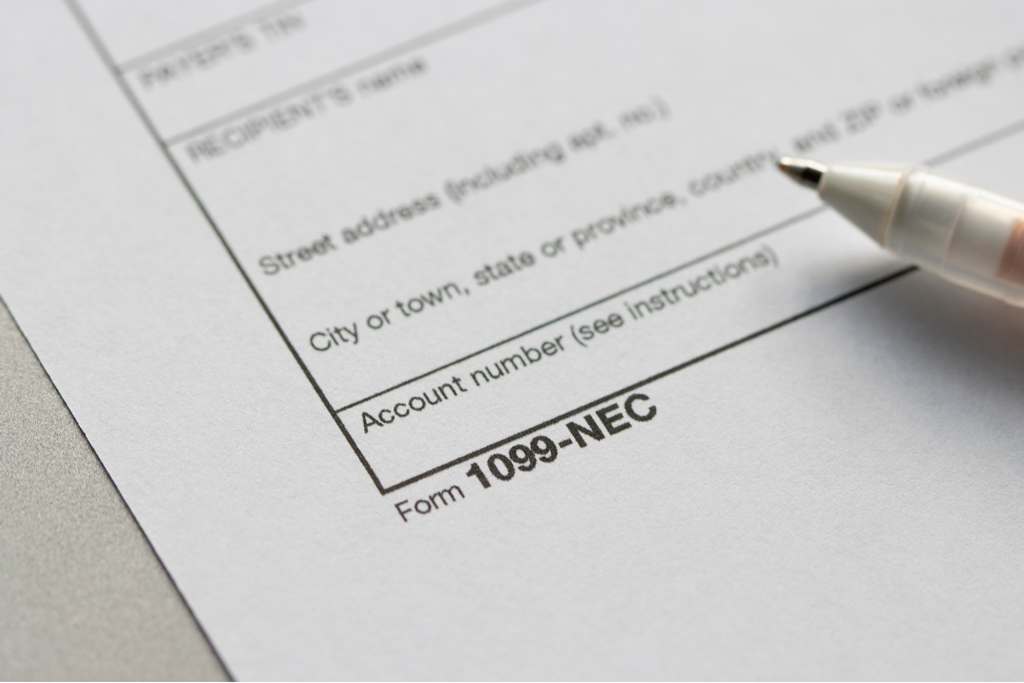
Form 1099-NEC reports payments for services to independent contractors and freelancers. For payments made in 2026, you file one for each contractor you paid $2,000 or more during the year.
Until now, the threshold was $600. The One Big Beautiful Bill Act raised it to $2,000 for payments made after December 31, 2025, and the threshold will adjust for inflation starting in 2027. Don’t assume $2,000 is permanent. Check the IRS instructions each year.
The deadline for 2026 payments is February 1, 2027, for both the contractor and the IRS. January 31 falls on a Sunday, so the deadline moves to the next business day.
Two other forms can catch owners off guard:
- Form 1099-MISC covers other payments, such as rent, prizes, and attorney fees. It has different deadlines than the 1099-NEC, so check those dates when you prepare.
- Form 1099-K is issued by card and payment platforms, not by you. If a contractor was paid by credit card or a third-party app, the processor generally reports it, and you typically don’t file a 1099-NEC for that payment.
Some vendors are generally exempt. Corporations usually don’t get a 1099. LLCs depend on how they’re taxed, so confirm before you assume either way.
Why the Scramble Happens
The reporting itself isn’t hard. The problem is that the information is missing:
- You don’t have a W-9 on file, so you don’t have the vendor’s legal name or tax ID.
- Contractor payments are sitting in “miscellaneous” or mixed in with other expenses.
- Payments went out through Zelle, checks, or cards, and nobody flagged which ones count.
- Duplicate vendor names mean the same person’s payments are split across two records.
None of these is difficult to fix in the moment. They’re difficult to fix in January, when you’re also dealing with year-end close and tax filing.
What to Gather Now
For every vendor you paid for services in 2026, collect or confirm:
- Legal name exactly as it appears on their W-9
- Tax ID (SSN or EIN) from the W-9
- Mailing address
- Total paid in 2026, pulled from your books, not from memory
- Payment method, so card and platform payments are separated out
- Entity type, so you know who is generally exempt
If a vendor never gave you a W-9, request one now. Waiting until January makes it harder to get a response before the deadline.
Make it Routine
You don’t need to do this all at once. Build three habits:
- Collect a W-9 before the first payment to any new contractor.
- Tag 1099-eligible vendors in your accounting system as you go.
- Review vendor totals monthly. A missing W-9 found in June takes a few minutes to fix. Found in January, it becomes a chase.
Clean expense categories make this easier, which is one reason the Year-End Reset matters. If your books are organized, your 1099 list is mostly a report you run, not a project you dread.
When to Get Help
Some questions don’t have a simple answer: whether an LLC needs a 1099, how to handle a payment that spans two entity types, or how to correct a form that was filed wrong. For those, a tax professional can review your specific situation.
Routine tracking is where most owners lose time, and it’s the part you can build now.
Start This Week
Open your vendor list. Find every person or business you paid for services in 2026. Check who has a W-9 on file. Request the missing ones now, while there’s still time to get them back before the February deadline.
That one list is the difference between a calm January and a scramble.


