Why Monthly Reconciliations Matter More Than Most People Realize
You didn't start your business to be a bookkeeper. We did. $ You didn't start your business to be a bookkeeper. We did. $ You didn't start your business to be a bookkeeper. We did. $ You didn't start your business to be a bookkeeper. We did. $ You didn't start your business to be a bookkeeper. We did. $ You didn't start your business to be a bookkeeper. We did. $ You didn't start your business to be a bookkeeper. We did. $ You didn't start your business to be a bookkeeper. We did. $



Lya Kimbrough, MBA | Lookout Bookkeeping
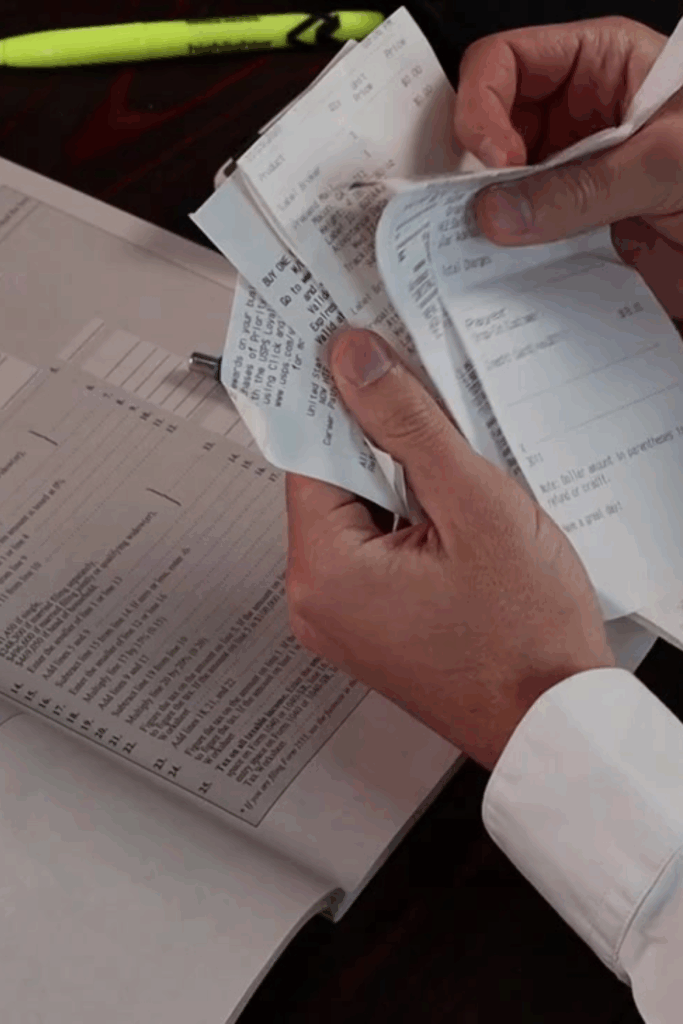
Reconciliations rarely get much attention.
They happen quietly in the background—but they play a bigger role in your financial clarity than most business owners realize.
Most business owners don’t think about reconciliations unless something is wrong.
And by the time something feels off, the issue has usually been sitting there for a while.
What Reconciliation Actually Means (In Plain Language)
Reconciling simply means confirming that what’s in your accounting system matches what actually happened in real life.
Every month, that includes:
- Bank accounts
- Credit cards
- Loans and lines of credit
If the balances don’t match, the numbers aren’t reliable—no matter how clean the reports look.
Reconciliations are how a bookkeeper verifies that the data is real.
Why Skipping Reconciliations Creates Invisible Problems
When reconciliations don’t happen regularly, small issues pile up quietly.
Things like:
- Duplicate or missing transactions
- Payments recorded but never cleared
- Transfers that don’t land correctly
- Fees or interest that slip through unnoticed
None of these are dramatic on their own.
But over time, they distort your numbers; and that distortion shows up later as confusion, stress, or surprises.
Monthly Reconciliations Keep Reports Trustworthy
Profit & Loss and Balance Sheet reports are only as good as the data behind them.
Monthly reconciliations ensure:
- Cash balances are accurate
- Expenses and income aren’t overstated or understated
- Loans and credit cards reflect true balances
- Reports can actually be used for decisions
Without reconciliations, reports are just estimates.
And estimates are risky when real money is involved.
This Is Where Most Year-End Problems Start
Many January and March issues trace back to one thing:
Accounts that weren’t reconciled consistently throughout the year.
That’s when:
- Tax prep takes longer than it should
- CPAs ask a lot of follow-up questions
- Cleanups become expensive and time-consuming
- Business owners feel blindsided by numbers they didn’t trust
Monthly reconciliations prevent the need for year-end rescues.
Reconciliations Are About Timing, Not Effort
Reconciling once a year is hard.
Reconciling monthly is manageable.
When accounts are reviewed regularly:
- Discrepancies are smaller
- Errors are easier to spot
- Corrections don’t snowball
- Stress stays low
Consistency is what makes reconciliations effective—not intensity.
Why This Matters for the Rest of the Year
Monthly reconciliations do more than clean up the past.
They:
- Support accurate estimated tax planning
- Improve cash flow visibility
- Reduce financial anxiety
- Create confidence in every report that follows
They are the quiet work that makes everything else easier.
The Bigger Picture
Reconciliations aren’t about being perfect.
They’re about knowing where you actually stand—every month.
And when someone is consistently verifying the numbers behind the scenes, business owners get to focus on growth instead of double-checking math.
That’s why monthly reconciliations matter more than most people realize.
Looking Ahead
If reconciliations are only happening occasionally, or not at all, it’s a sign the books aren’t being supported consistently.
Ongoing bookkeeping means monthly reconciliations are handled quietly, correctly, and on time—so nothing piles up and nothing comes as a surprise later.
→ Learn how year-round bookkeeping support keeps your numbers accurate and usable


